
8 simple ways to keep an eye on your vision
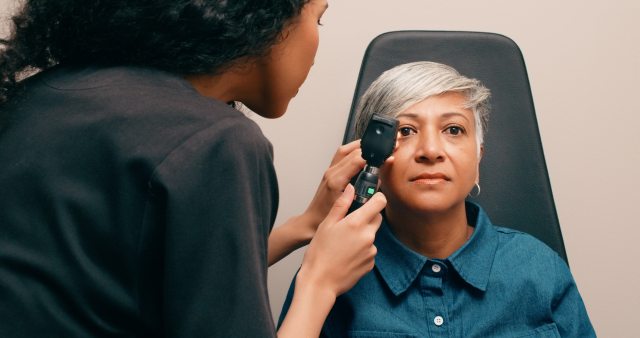
Your eyes can reveal important clues to your overall health.
Your vision matters more than you may realize. When you visit an eye doctor, they're looking not just for whether you can read the bottom line of an eye chart. They're also seeking early signs of health conditions like high blood pressure or diabetes.
"Your eyes are like windows into your overall health," says Brenda Stone, OD, a PeaceHealth optometrist in Vancouver, Washington.
"The backs of the eyes contain visible blood vessels and nerves that connect to the brain and heart," she says. "At an eye exam, I can see damage there that might signal health concerns beyond your eyesight."
Conditions that show up in vision exams
Along with diabetes and hypertension (high blood pressure), optometrists like Dr. Stone look for signs of heart disease, thyroid conditions and autoimmune conditions like lupus or rheumatoid arthritis.
If they notice any signs of concern, they'll work with your PCP or other members of your care team to help you address them.
Taking care of your vision doesn't require major changes to your daily routine, either. A few simple habits can help keep your eyes healthy and working their best.
8 simple steps to protect your eyesight
Here are eight doctor-recommended things you can do to protect your vision.
1. Get regular eye exams
Plan to have your eyes checked by a professional at least every other year, unless your doctor suggests otherwise. As you get older, you may need more frequent checkups.
"Regular exams help us catch any concerns early," says Dr. Stone. "With early detection, we can do more to prevent or slow vision loss."
2. Follow the 20/20/20 rule
If you spend time looking at screens, there's a simple habit you can try to give your eyes a much-needed break and help prevent strain: Every 20 minutes, take a deliberate blink, then look at something 20 feet away for 20 seconds.
"This simple rule works for anyone who spends time on digital devices," says Dr. Stone. "It's especially helpful for people who work at computers all day or play video games.”
3. Keep your workspace eye-friendly
Set up your computer to support good eye health:
- Position your screen at or slightly below eye level.
- Adjust brightness and contrast to comfortable levels.
- Avoid having windows directly behind your screen.
- Be mindful of air vents or fans that blow toward your face.
4. Wear your glasses or contacts as recommended
If your eye doctor prescribed glasses or contacts to correct your vision, wear them as intended.
Clean your glasses lenses daily with a soft cloth to prevent spots that can cause eye strain.
For contacts, swap in fresh ones as recommended or clean your reusable lenses well. Dirty contacts can cause infections or other serious conditions.
5. Protect your eyes from the sun
Wear sunglasses and a wide-brimmed hat to shade your eyes when you're outside. Choose sunglasses that block 100% of UV rays, so there's no doubt your eyes are protected.
While this is especially important on sunny days, even partly cloudy conditions can be hard on your eyes because of glare from reflective surfaces like water or snow.
6. Give your eyes moisture
We naturally blink less when we're focused, which can dry out our eyes. To help with moisture, try to blink more often, especially when you're concentrating on detailed work or staring at screens.
You can also use lubricating eye drops when needed to keep your eyes moist and comfortable. Ask your eye doctor for a recommendation. Some drops are available over the counter; others need a prescription.
7. Practice good bedtime habits
Your eyes and brain need quality sleep to stay healthy. Start winding down by avoiding screens — TV, computer, tablet or phone — for an hour before bedtime.
If your phone is near your bedside, consider using the nighttime display setting to limit the blue light it releases. Better yet, leave your phone in another room overnight if you don't need it for an alarm.
8. Watch for warning signs
Many eye conditions develop without clear symptoms, especially in people older than 50. Common age-related conditions include:
- Cataracts, which cause cloudy or blurry vision and make it harder to see at night.
- Glaucoma, which shows no early symptoms but damages the optic nerve and can cause vision loss.
- Macular degeneration, which may cause light sensitivity or make it harder to adjust between bright and dim light.
If you notice any changes in your vision, reach out to your eye doctor right away.
"The key is not to wait if something feels different," says Dr. Stone. "Early treatment often leads to better outcomes, so don't hesitate to call if you notice changes."

Brenda Stone Fernandes OD
Brenda Stone, OD, is an Optometrist who provides compassionate, comprehensive and conscientious eye care.
Dr. Stone earned her undergraduate degree in biology from the University of Wisconsin in La Crosse, Wisconsin, followed by her Doctor of Optometry degree from the Ohio State University College of Optometry in Columbus, Ohio.
“I pride myself on providing a personal touch and getting to know my patients and families,” shares Dr. Stone.
Away from work, Dr. Stone enjoys golfing, boating, entertaining and spending time with her husband, daughter, friends and their beagle named Charlie. She is also a loyal fan of the Ohio State Buckeyes and Green Bay Packers.


