
Advanced, caring cancer treatment in northwest Washington
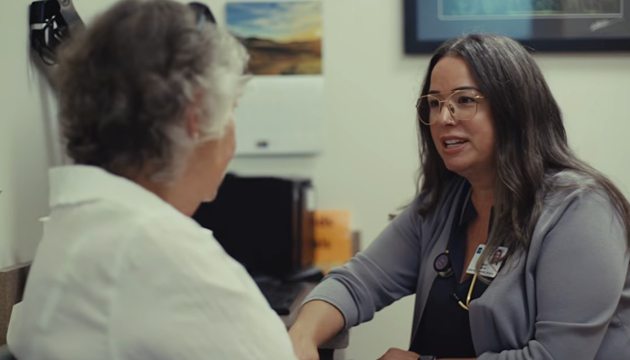
Less driving. More time with the people you love. See how cancer care close to home can ease the stress and expense of treatment.
A cancer diagnosis can change your life quickly. Your calendar may fill with tests, doctor visits and treatments. If you or someone you love is facing cancer, you may also be asking an important question: Where should I go for care?
If you live in Bellingham, Sedro-Woolley or a nearby community, getting the cancer care you need closer to home can make a difficult time a little easier. It means less time on the road and more time for healing, family and the everyday life you love.
Bringing advanced cancer care closer to home
At PeaceHealth St. Joseph Cancer Center, bringing advanced treatment to your community is a priority, so you can get care you trust without leaving the people and places that matter to you.
Navdeep Sangha, MD, medical director of the cancer center, is passionate about advancing cancer care locally. He works to bring innovative treatments closer to you and collaborates with care teams throughout PeaceHealth.
“We’re all motivated by the same goal: providing our patients with the best care available,” Dr. Sangha says.
Having more cancer services nearby can reduce the time and energy you spend traveling. It can also help you stay connected to the family, friends and community who support you.
Advanced treatment is closer than you may think
You may assume that the most advanced cancer care requires a long trip. Today, PeaceHealth offers advanced cancer treatments in many of the communities we serve. Your care team will work with you to choose the options that fit your needs and preferences.
Here are a few examples of the innovative care you can find locally in northwest Washington:
- Precise radiation therapy. Image-guided radiation and advanced radiation technology can shape treatment to your tumor while sparing surrounding healthy tissue.
- Less invasive procedures. Robot-assisted, catheter-based and interventional radiology procedures can make treatment less invasive.
- Clinical trials and genetic counseling. Ask about clinical trials that may be open to you. Genetic counseling can help you understand your own risk and your family’s risk for hereditary cancers.
You also have a team that works together. Your medical oncologist, radiation oncologist, surgeon, nurses, social workers and nurse navigator share what they know, so your care plan reflects you.
Compassion through difficult moments
Cancer care is about more than treating a disease. It is also about caring for you as a whole person.
Victor Gonzalez, MD, a radiation oncologist at PeaceHealth St. Joseph Medical Center, finds meaning in walking with people through treatment and recovery. He is inspired by the resilience and courage he sees in the people he cares for.
“Seeing patients through a tough time in their lives is one of the most meaningful parts of my work. Being able to help is what keeps me coming back day after day,” Dr. Gonzalez says.
That personal connection extends across the cancer care team. Staff members get to know the people who return regularly for treatment, so you may find a familiar, reassuring face each time you walk in.
From nurse navigators who reach out soon after diagnosis to help you know what to expect, to social workers, dietitians and chaplains, the team works to make the center as comfortable as possible for you and your family. Volunteers add to that warmth. Some teach painting, and others help you feel welcome. You can find a calm, healing space to rest, and support groups where your family and friends can talk and ask questions, too.
Staying connected to the people who matter
Cancer treatment may require many appointments over weeks or months. Traveling long distances for each visit can add stress and expense at a time when your energy may already be limited.
Those expenses add up quickly. Getting care close to home can help you save on gas, wear and tear on your vehicle, parking, meals on the road, and hotel stays when a long drive isn’t practical. It can also mean less time away from work and less money spent on child or pet care while you are gone. If getting to appointments is a worry, tell your social worker. The cancer center can connect you with programs such as the American Cancer Society’s Road to Recovery, which offers free rides to treatment, and a patient financial advocate can help you understand your costs.
Care closer to home can also make it easier for the people you love to be involved. Someone you trust might drive you to an appointment, take notes, pick up a prescription or simply be by your side.
Support can extend beyond medical treatment. At the Cancer Resource Center at PeaceHealth St. Joseph Medical Center, for example, you can find wigs, caps, hats and scarves to help you feel more comfortable and confident during treatment.
Support for life after cancer
Finishing treatment is a milestone, but it can also raise new questions. You may wonder how to return to work, rebuild your routines or cope with the ups and downs that follow. You don’t have to figure it out alone.
PeaceHealth St. Joseph Cancer Center offers survivorship support close to home. Social workers, dietitians and spiritual care team members can help you with the changes that come after treatment. Cancer Transitions™, a free four-week class for people who have recently finished treatment, covers topics such as eating well, moving more, managing emotions and relationships, and planning your medical care going forward. It is also a place to meet others who understand what you’re going through.
Find the care that's right for you
Some cancers require highly specialized services that aren’t available in every community. Your doctor can help you understand what care you need and where you can receive it.
Ask which treatments and follow-up visits you can have locally. If you need to travel for part of your care, ask whether other services can be coordinated closer to home.
If you or someone you love is facing cancer in northwest Washington, quality care isn’t only about treatment. It’s also about having expertise, compassion and support within reach.
Learn more about cancer care at PeaceHealth and talk with your doctor about the options that are right for you.

Navdeep S. Sangha, DO
Navdeep Sangha, DO, is a board-certified oncologist at PeaceHealth. Dr. Sangha completed his fellowship in hematology and medical oncology in West Reading, Pennsylvania at the Tower Health Reading Hospital. He served as chief resident while in residency at the Sidney Kimmel Medical College at Thomas Jefferson University Hospital in Philadelphia, Pennsylvania. Dr. Sangha attended medical school at Touro College of Osteopathic Medicine in New York, graduating summa cum laude.
Dr. Sangha’s philosophy of care is patient centered. He strives to meet the unique needs of each individual while providing a safe and comfortable environment, where patients are heard and receive the global standard of care. He has special interest in hematologic disorders, both classical and malignant, as well as breast, thoracic and gastrointestinal cancers
Dr. Sangha also has a strong interest in medical education. He has aided with curriculum for medical residents and spent many years as a volunteer physician where he oversaw and taught medical students while providing care to underserved communities.
Outside of work, he loves to read, write, play soccer, cook and he runs a farm business. He is fluent in English, Punjabi, Hindi and conversational in Japanese.


