
National Cancer Survivor Day: Lessons from those beating the odds
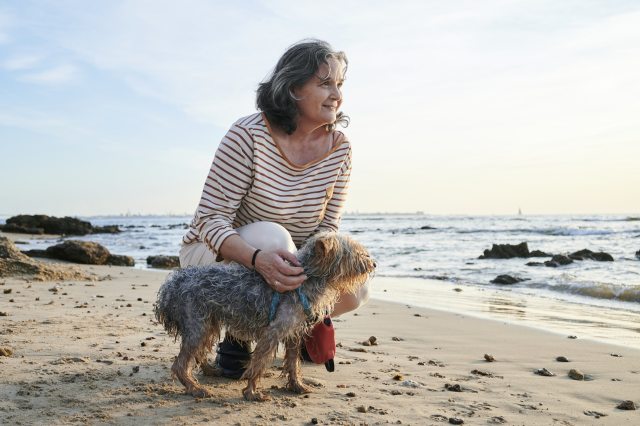
Survivors and care teams share perspective on living after a cancer diagnosis.
More people than ever are living longer after a cancer diagnosis, according to the American Cancer Society.
Figures from the ACS show that 70 percent of people diagnosed in the U.S. (2015-2021) are expected to live at least five years after treatment.
Regular screenings, early diagnosis and advanced treatment help boost survivorship. But that’s only part of the story. Cancer patients themselves play a key role in improving their chances of living longer.
Here are insights shared by some cancer survivors and care teams at PeaceHealth in celebration of National Cancer Survivors Day (June 7):
- Pay attention to your body. Early symptoms of cancer can be frustratingly subtle. Some types of cancer can start showing up as indigestion, bloating or other general complaints you might dismiss or chalk up to something you ate. If you notice a pattern or new symptoms, talk to your doctor.
- Advocate for yourself. If you’ve been seen more than a few times for the same complaint, press for answers that get to the root of the problem. A survivor of colorectal cancer said she went to the emergency room five times for signs of serious constipation. A CT scan was ordered and found the tumor that was causing the problem. She was scheduled for surgery that same week.
- Ask questions. Medical professionals do their best to explain diagnoses, treatments, side effects and the like. But because everyone’s experience is different, you might need to drill down to get answers you find helpful. One young woman went into early menopause due to her cancer treatment. As a result, she frequently felt overwhelmed by aggressive emotions. With help from her care team, her surging hormone levels were brought into better balance.
- Know that you’re not alone. It can be tough to not feel isolated as you endure bouts of pain, exhaustion or tedious treatment. Even with loved ones by your side, you know you are the one going through it. Try to keep in mind there are others who have faced similar experiences. They’re with you and they’re pulling for you.
- Embrace your community. Your care team and fellow survivors can help you learn new ways to handle various aspects of living post-treatment. Look for fellow survivors at cancer support groups and events like National Cancer Survivors Day. Share your insights with others to help process your emotions about what has changed for you.
- Stay current with checkups. Depending on the type of cancer you’ve had, your doctor may recommend regular follow-up checks. It can be scary to think about finding a new concern. But this is a case where it’s better to know early so you can do something about it.
- Take preventive actions. Can cancer be prevented? Not necessarily — especially if genetics aren’t doing you any favors. But you can take steps to lessen your chances. These include:
- Stay away from all forms of tobacco.
- Get to and stay at a healthy weight.
- Keep moving with regular physical activity.
- Eat healthy with plenty of fruits and vegetables.
- Avoid or limit alcohol.
- Protect your skin by applying sunscreen, staying in the shade or covering up.
- Get regular checkups and cancer screening tests.
From screenings and diagnoses to treatment and follow-up support, PeaceHealth offers hope and healing for those looking to live well again after cancer.


