
How to fall-proof your home for kids and older adults
| Healthy You | Safety | Kids Health
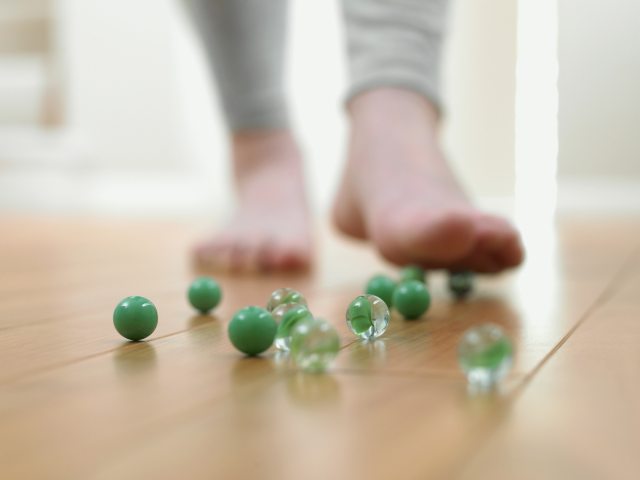
Simple steps to protect your loved ones from preventable accidents.
Falls cause a lot of injuries for both young children and older adults. With some simple changes and awareness, many falls at home can be prevented, keeping your family safe.
Maybe you're a parent with toddlers. Or you’re caring for aging parents. You might be managing a multi-generation household. Whatever your situation, creating a safer home environment protects everyone you love.
Why home safety matters for every age
Every year falls send millions of Americans to the emergency room. For children under 5, falls are the leading cause of injury-related doctor visits. For adults over 65, a fall can mean broken bones, loss of independence or worse.
"Falls often happen because we overlook simple hazards in our everyday spaces," says Jim Cole, trauma educator and injury prevention coordinator at PeaceHealth in Eugene-Springfield, Oregon. "The same safety measures that protect a curious toddler often help prevent falls for grandparents too."
Room-by-room safety guide
Living areas and hallways
- Start with the spaces your family uses most. Remove clutter from walkways and make sure all areas have good lighting. Secure loose rugs with non-slip backing or remove them entirely. Tuck electrical cords out of the way so they can't trip anyone.
- For families with children: Install safety gates at the top and bottom of stairs for kids under 2. Move coffee tables with sharp corners away from play areas.
- For older adults: Consider motion-sensor lights for nighttime trips to the bathroom. Make sure frequently used items are stored within easy reach.
Bathrooms
- Wet surfaces make bathrooms the most dangerous room in many homes. Install grab bars near the toilet and in the shower or tub. Use non-slip mats both inside and outside the shower.
- For families with children: Never leave young children alone in the bathtub, even for a moment. Use a non-slip mat and consider a faucet cover to prevent bumps.
- For older adults: A shower chair can provide extra stability. Make sure towels and toiletries are within easy reach to avoid stretching or bending.
Staircases
- Good lighting and handrails prevent most stair-related falls. Install handrails on both sides if possible, and keep stairs completely clear of toys, shoes or other items.
- For families with children: Safety gates are essential until children can safely move up and down stairs by themselves — usually around age 2.
- For older adults: Consider marking step edges with bright tape to improve visibility, especially on the top and bottom steps.
Bedrooms
- Keep a clear path from the bed to the bathroom. Place a lamp or flashlight within easy reach of the bed.
- For families with children: Secure heavy furniture and TVs to the wall. Use window guards on windows above the first floor. Ensure bunkbeds have safety rails with secured ladders. Install window locks to prevent young children from falling out the window, especially in the summer.
- For older adults: Make sure the bed height allows feet to touch the floor when sitting on the edge. Consider a bedside commode or urinal for nighttime use if the bathroom is more than a few steps away.
Kitchen
- Store heavy items in lower cabinets to avoid reaching overhead. Always use a sturdy step stool when you need extra height. Never stand on chairs or boxes.
- For families with children: Mop up spills right away. (As long as you’re thinking about safety, you might also make sure to have locks on drawers or cabinets with sharp items, breakables or cleaning supplies and that you have an oven lock and stove knob covers.)
- For older adults: Keep frequently used items between waist and shoulder height. Consider a reacher or grabber tool for high shelves.
Beyond the physical space
Aside from the way you set up your home, there are additional things you and your loved ones can do to lessen your risk of falling.
Regular vision and hearing checks
- Good vision and hearing help prevent falls. When people see or hear potential hazards, it’s easier for them to stay safe. Schedule regular eye exams and hearing tests for all family members.
- Children's vision can change quickly, and signs aren't always obvious.
- For older adults, conditions like cataracts, glaucoma, or hearing loss can affect balance and awareness.
Balance and footwear
- Growth spurts might make kids a little awkward or prone to tripping. And older people can feel off balance with conditions like neuropathy, which can cause loss of feeling in the feet.
- Wearing the right size and style of footwear can help all ages. Look for shoes with non-slip soles that give you a grip. Be careful about slippers and socks — especially on smooth surfaces.
Staying active together
- Regular physical activity improves balance, coordination and muscle strength at every age. Active play helps children develop these skills naturally.
- For older adults, activities like walking, swimming or tai chi can help them maintain balance and prevent falls.
- Consider family activities that benefit everyone. Walking together, dancing or playing in the yard can be fun ways to stay active and connected.
Medications and device support
- Some medications can cause dizziness or drowsiness. This can affect your sense of balance. If you're caring for older family members, talk with their healthcare provider about medication side effects. Never stop or change medications without medical guidance. Keep medication safely stored.
- Cane or walkers can be very helpful if you or a loved one is older has trouble walking. You might also consider a reputable "medical alert" system. These wearable devices don’t stop you from falling but they can let others know when you need help.
Creating lasting habits
- The safest homes are those where good habits become second nature. Teach children to put toys away after playing to keep the floor clear of tripping hazards.
- Encourage everyone to turn on lights when moving through the house, especially at night.
"Prevention is always easier than treatment," says Cole. "A few minutes spent fall-proofing your home today can prevent injuries that take weeks or months to heal."
When to seek help
If you notice changes in balance, coordination or mobility in any family member, don't wait. Schedule an appointment with your doctor or care team. Early intervention can often prevent falls that might result in serious injury.
For older adults, consider a home safety assessment by an occupational therapist. Many insurance plans cover these evaluations, which can identify specific risks in your home.
“Creating a fall-safe home is about more than preventing injuries. It's about helping everyone in your family feel confident and secure in their own space,” says Cole. “Small changes today can provide peace of mind and protection for years to come.”


