Getting out in the woods? Stay safe with these 6 tips
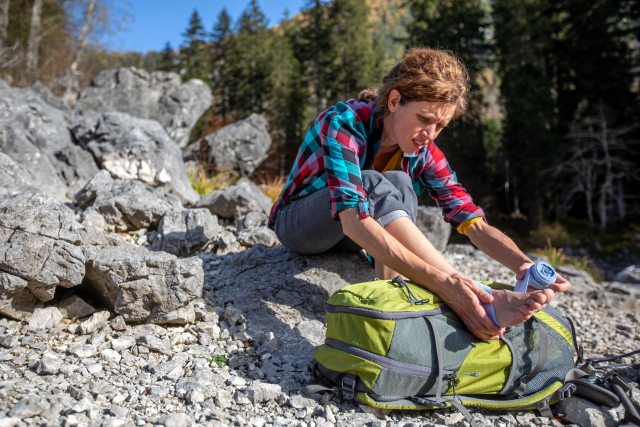
Keep your next hike or campout memorable for the right reasons.
Many of us love living in the Pacific Northwest because of its natural beauty. In just about any season, there's a trail, lake, river or shoreline that's ripe for exploring.
Before you head out on your next adventure, a little advance planning can help you stay safe and healthy.
Lorne Bigley, MD, a PeaceHealth family medicine doctor in Eugene, Oregon, recommends these tried-and-true tips:
1. Start with the basic equipment for outdoor safety.
Whatever your experience level, you’ll want to follow these rules:
- Pack the 10 essentials.
- Go with a buddy. And let others know where you’re going and when you expect to be back.
- If you’re out of practice or new to the wilderness, start with shorter hikes in a local park. Work up to longer trips as you gain strength and confidence.
2. Carry first aid supplies that fit your outdoor plans.
Dr. Bigley recommends carrying a first aid kit that fits your plan. Here’s checklist for building or refreshing a basic kit.
Day hikes:
Take a basic first aid kit with bandages, ointment, pain reliever and an antihistamine for allergy symptoms (e.g., watery eyes, runny nose, itching). If you have serious allergies, carry whatever your doctor has prescribed (epinephrine, prednisone, etc.).
Multiday hikes (2-6 days):
For overnight hikes, add to your basic kit:
• Large gauze dressings (such as Telfa) and paper tape to hold them in place.
• Anti-diarrhea medicine such as loperamide (Imodium) to treat loose, runny poop.
Long trips (1 week or more):
If you’ll be far from healthcare services, talk to your primary care provider about other items to carry and when and how to use them. If you’re going outside of the United States, check with your PCP on the need for vaccinations or other medical supplies. This can help you guard against things like measles and traveler’s diarrhea.
3. Plan to communicate when you're heading out in the woods.
Cell phone service can now reach many trails. But it’s good to have a backup for emergencies. A satellite communicator is a small device that makes it possible to send and receive text messages even from remote locations. This can help if you need an urgent evacuation.
Having extra batteries or a solar charger can also give you peace of mind if you end up being out longer than you expect.
4. Anticipate the gear you’ll need when you're hiking or camping.
“Think about ‘what if’ situations to help you make smart choices,” says Dr. Bigley.
If you twist an ankle and have to spend a cold night outdoors, you’ll thank yourself for packing extra clothing or a lightweight sleeping bag.
“I always carry at least one flashlight, a lighter or matches and a little extra food, just in case,” he says.
And believe it or not, a lightweight umbrella can be very handy in both sunny and rainy conditions.
5. Watch for trail encounters in the woods or wilderness.
It’s thrilling to see living creatures in the woods — whether squirrels and chipmunks or deer and elk. For your sake and theirs, keep your distance.
If you’re in bear country, consider wearing a bell and storing your food and other scented items in a bear can.
Animals aren’t the only things that can pose some danger. Berries and mushrooms might look tempting. But it’s best to avoid eating wild foods unless you’re confident in your foraging skills.
And if you'll be in wooded or grassy areas, consider wearing long sleeves, using an insecticide or taking other measures to protect against mosquitos, ticks and other tiny pests. Itchy bug bites are miserable. And tick bites can lead to various illnesses such as Lyme disease. Read tips on tick removal.
6. Be alert to dangers while on outdoor adventures.
No matter where you are, pay close attention to your surroundings. Hazardous changes in the weather — high wind, rain, hail and lightning — can come up suddenly. Be ready to take cover if necessary.
“A walk in the woods is good for body and soul. You just need to know your limits and plan wisely,” says Dr. Bigley.