
A beginner's guide to running a marathon
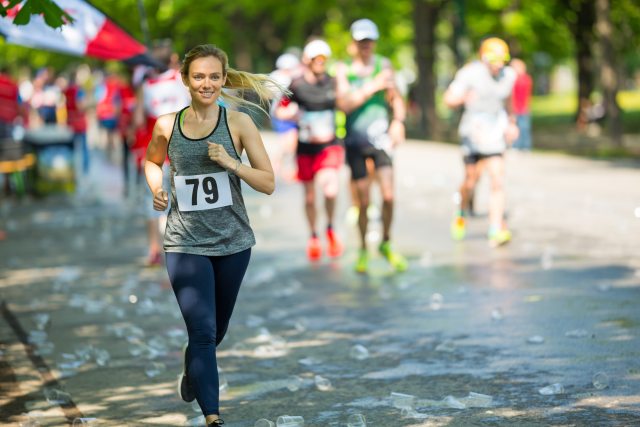
9 tips from a doctor on training for a long-distance race.
Each year, more than 500,000 people run a marathon in the United States. But running that distance safely takes planning as well as determination. Training to run a marathon is a journey of physical and mental transformation.
For beginners, keeping your health and wellness in mind throughout your training is essential.
“It’s common to experience injuries and other setbacks when starting a new training regimen, said Tyson Hawkins, an internal medicine physician at PeaceHealth in Bellingham, Washington. It’s important to change your workouts and allow time for recovery and stretching. This may reduce the risk of injuries that could compromise your ability to fulfill your goals."
Nine ways to prepare for your first marathon:
- Get a checkup. Before starting any new physical activity, visit your healthcare provider. Together, you can decide whether you're healthy enough to take on the challenge. You can also discuss strategies to prevent injuries.
- Set realistic goals. As a beginner, it's important to pace yourself. Start small — aim to run 30 minutes without stopping. Then gradually increase distance and time. Set short-term goals for the next week or month, and long-term goals for the year. This helps you stay motivated and focused on your progress.
- Wear proper gear. Invest in supportive running shoes and moisture-wicking clothing that allows your skin to breathe. This can help prevent blisters, chafing and injury.
- Stay hydrated. Staying hydrated is crucial for running, especially during long runs. Drink plenty of water and electrolyte-rich fluids to avoid dehydration. Two hours before your run, try drinking two 8-ounce glasses of water.
- Fuel your body. Eating a balanced and nutritious diet is vital for runners. Your body needs energy to sustain long runs. Choose foods that are high in carbohydrates and protein like lentils, brown rice and grilled chicken breast or Greek yogurt. A registered dietitian can help develop a personalized nutrition plan.
- Cross-train. Adding in other forms of exercise such as strength training, yoga or cycling can help prevent injury and improve your overall fitness.
- Rest and recover. Rest days are just as important as running days. Plan for time off to allow your body to recover. Get enough sleep, stretch and foam roll to prevent muscle soreness and improve flexibility. Foam rolling helps to massage large muscle groups through a self-myofascial release technique.
- Listen to your body. Fatigue, soreness or pain are signals to rest. Pushing through pain increases the risk of injury and can delay progress.
- Get expert help. Persistent pain or discomfort calls for a visit to a physical therapist or primary care provider who can diagnose injuries and advise on prevention. If you experience long-lasting pain or discomfort, consider making an appointment with a physical therapist or your primary care provider. They can help diagnose and treat injuries and share advice on how to prevent them in the future.
Are you ready to run your first marathon?
By following these tips, you'll have a better chance at achieving your running goals while tending to your health and wellness.
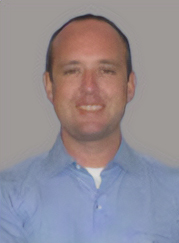
Tyson J. Hawkins MD
Dr. Hawkins is an internal medicine physician practicing with PeaceHealth in Bellingham, Washington. He has been providing adult primary care for more than 10 years and has a special interest in metabolic health and diabetes. He also practices part time in endocrinology, seeing patients for diabetes, hypothyroidism and osteoporosis. He is passionate about helping patients meet their health goals through a collaborative approach.
Tyson grew up in Washington state and attended the University of Washington for his undergraduate studies. He attended medical school in New York and returned to Washington for residency training in internal medicine at the University of Washington.
Tyson and his wife have two boys and spend most of their time outside of work shuttling them to soccer practice and enjoying the outdoors. In his free time, he enjoys running, mountain biking, backpacking and travel.


