Celebrating four years of connection, advocacy and trust
| News | Event | Leadership
Four years ago this month, PeaceHealth and the Northwest Washington Indian Health Board launched a collaboration with an important goal: improve the experience of care for Native patients and families.
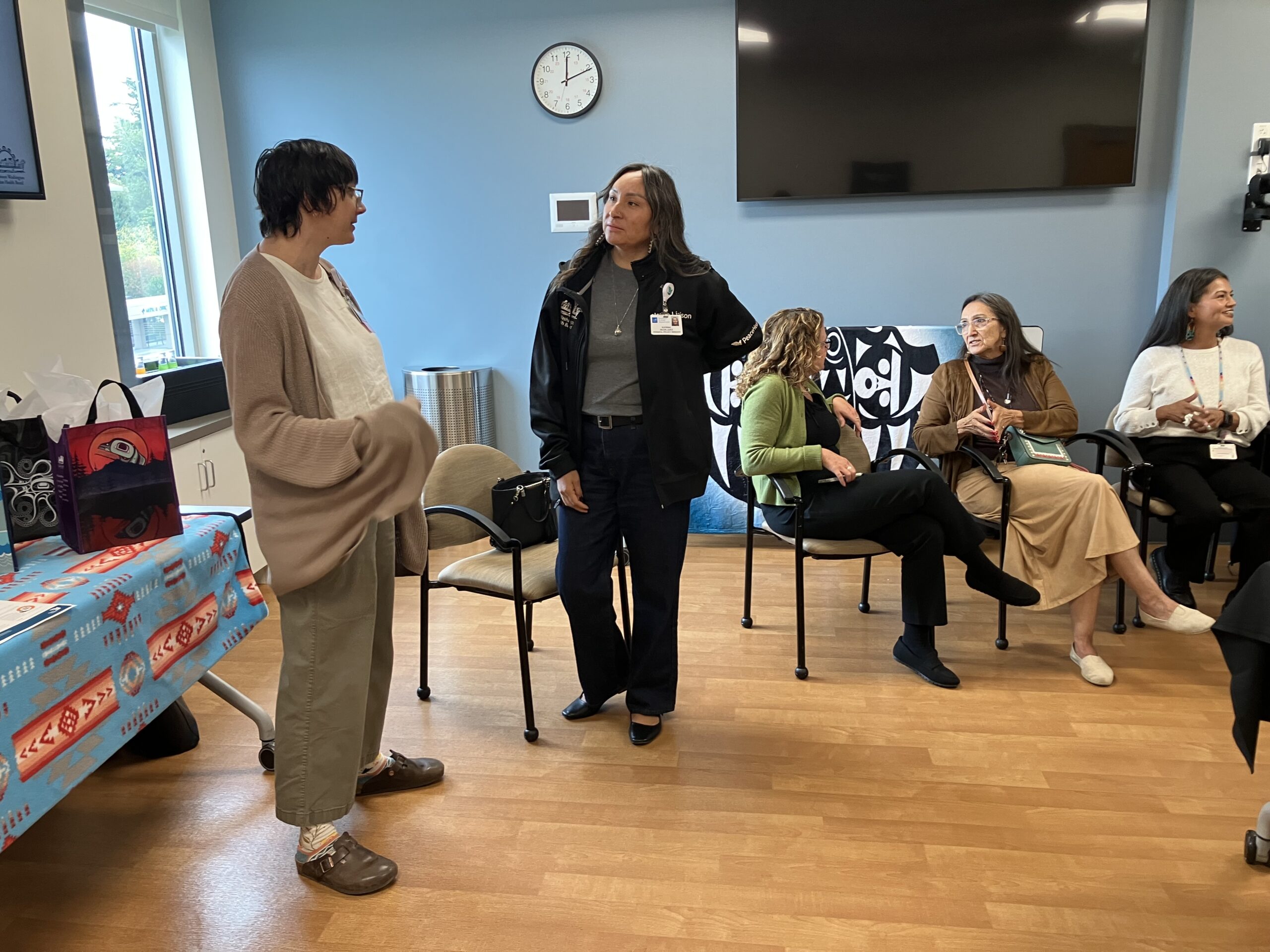
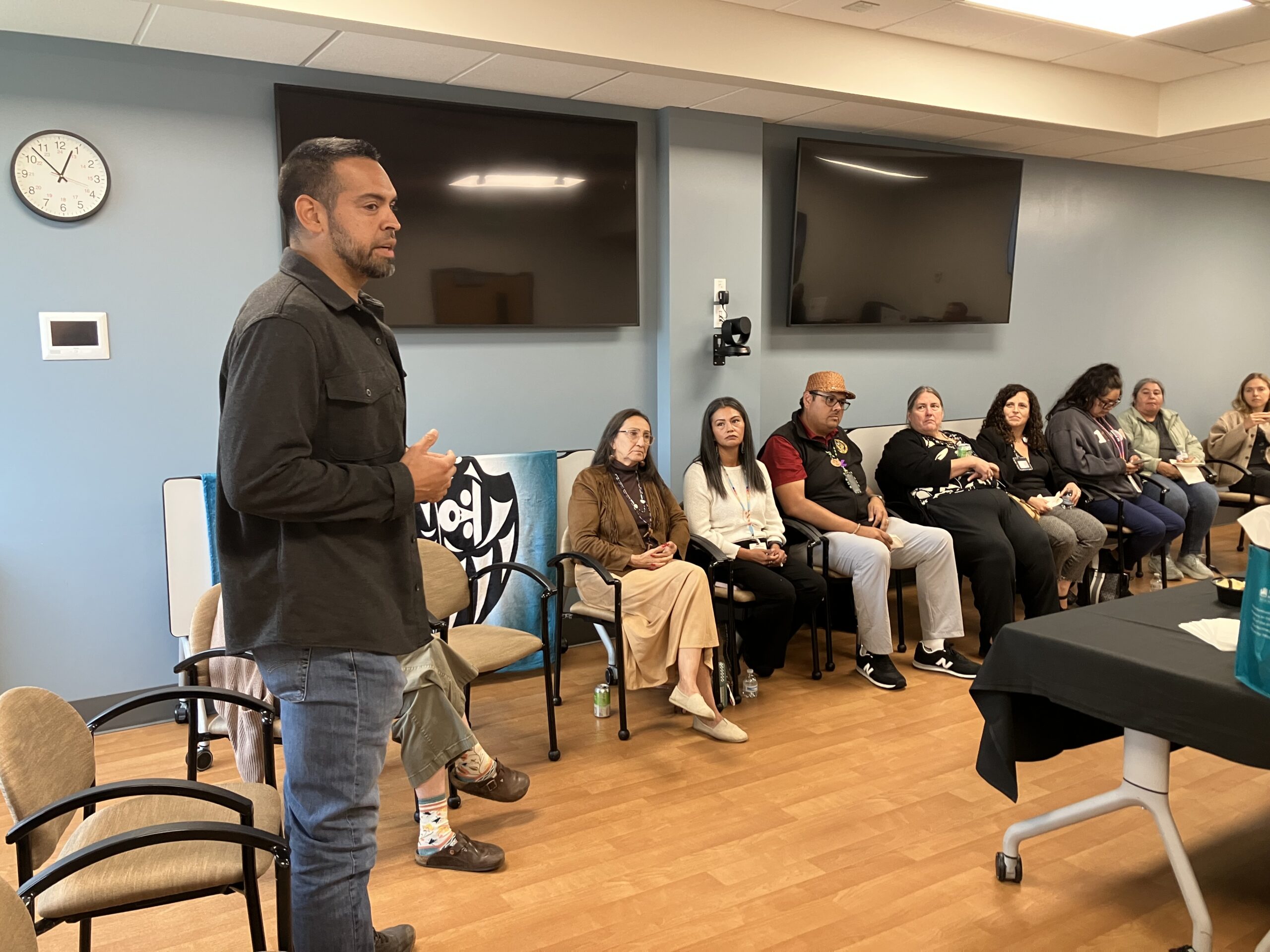
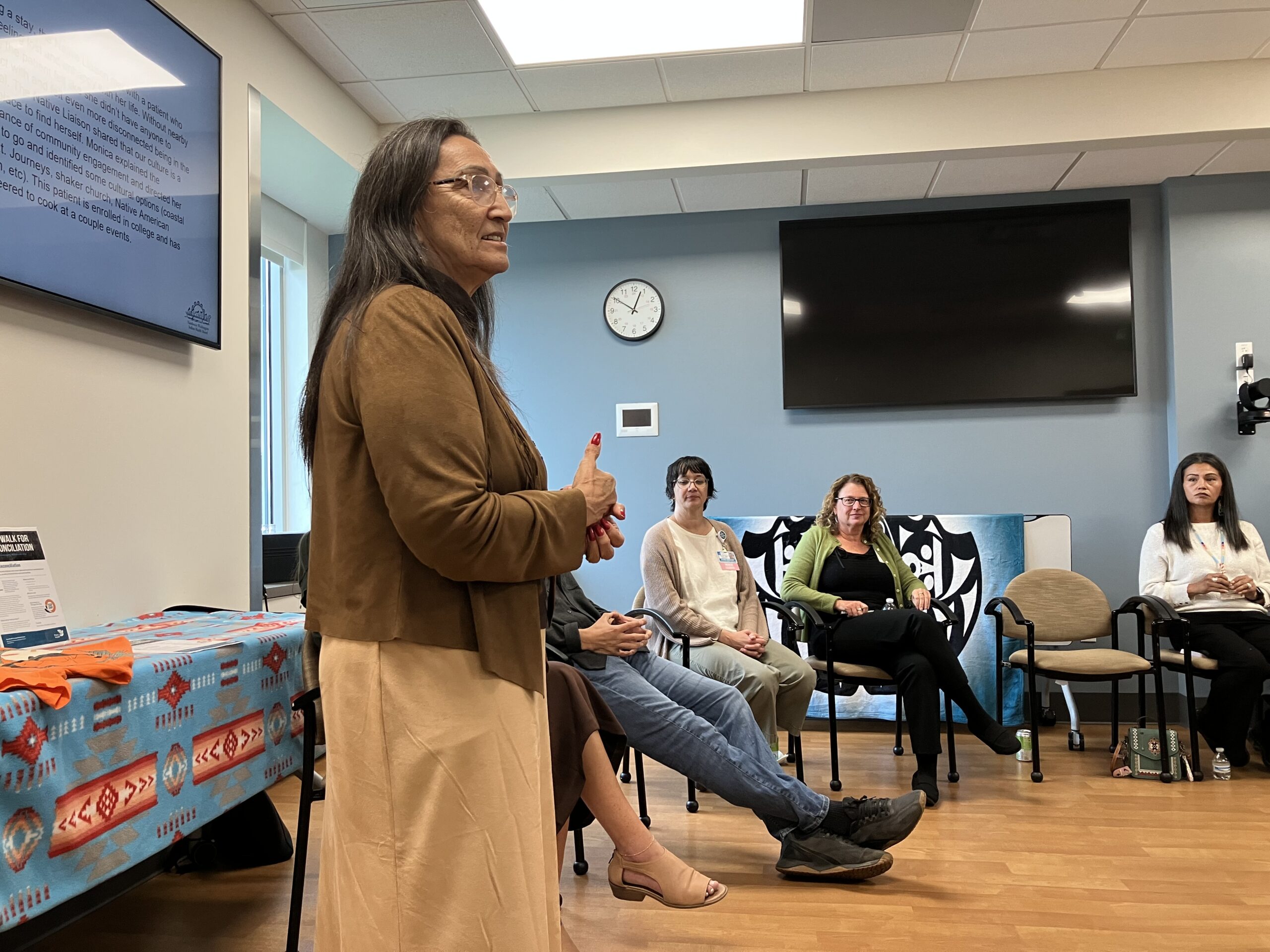
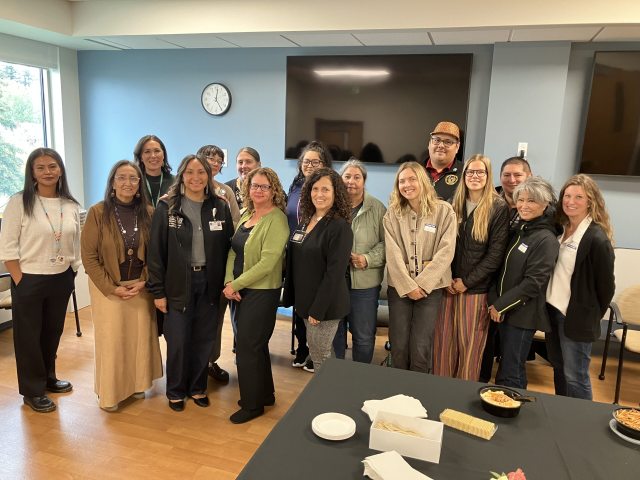
Last week, caregivers and community partners came together to celebrate the fourth anniversary of the Native Liaison program and the relationships that have grown from it.
Since its launch in 2022, the program has helped create a stronger connection between PeaceHealth, Tribal health organizations and the Native patients and families we serve. At the heart of that work is Native Liaison Monica Revey, a Lummi Tribal member who has held the role from the beginning and has had more than 3,700 interactions with Tribal people receiving care at PeaceHealth St. Joseph.
Based at PeaceHealth St. Joseph, Monica works alongside patients, families and caregivers, helping Native patients navigate their care while serving as an advocate and trusted connection to Tribal clinics and community resources. Her work includes supporting patients or family during a hospital stay, helping caregivers better understand a patient’s needs and connecting people with resources after they leave the hospital.
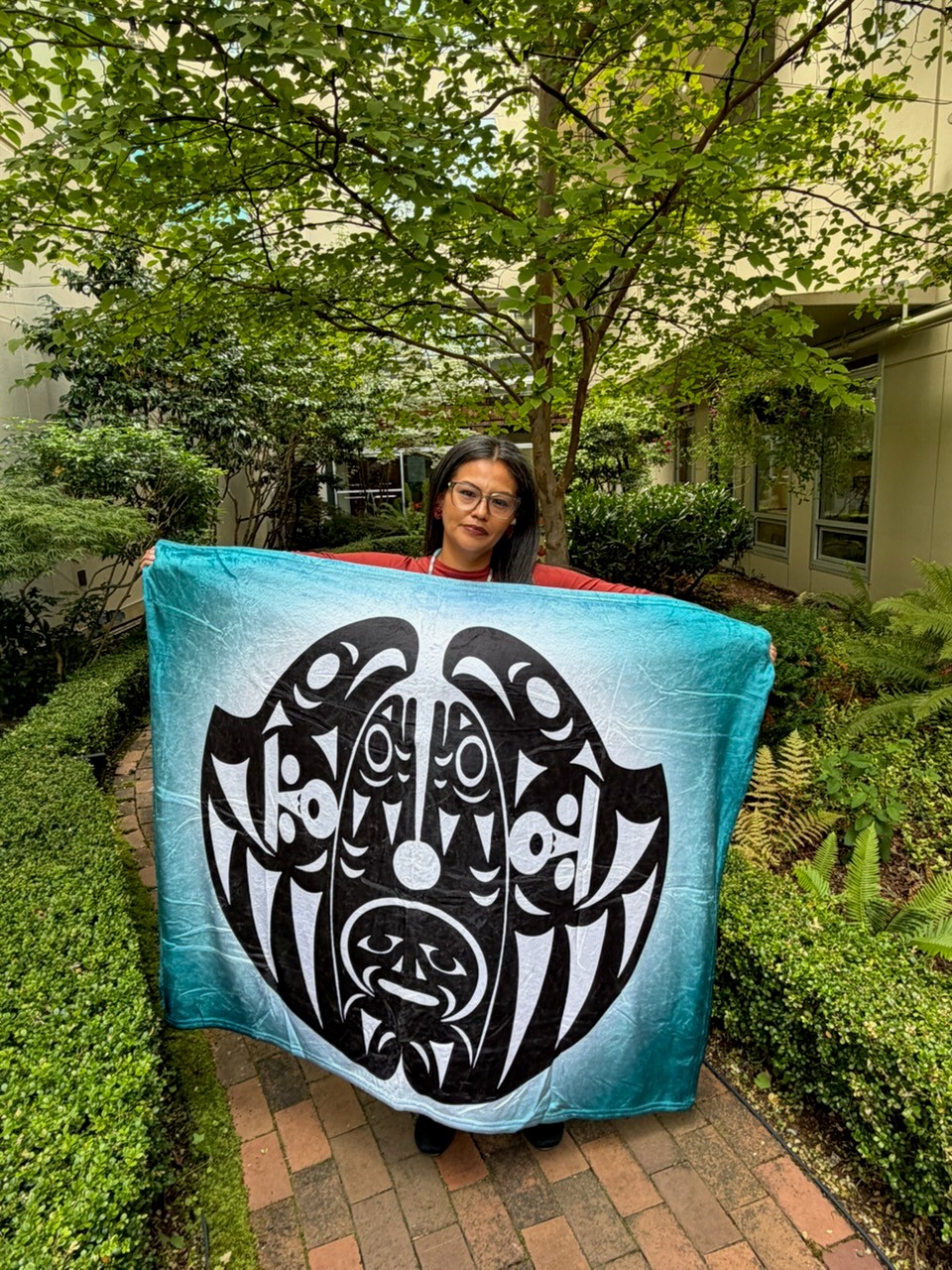
The essence of the Native Liaison program is captured in the artwork created by Coast Salish artist Jason LaClair. The spindle whirl shape is representative of having strong moral fiber, as well as the important role women play in the matriarchal Coast Salish culture. The eagles on each side act as messengers of the creator, carrying prayers up and watching over us in good and bad times. The three human spirits represent how we all need each other and, at the very center, are the Salmon People.
Last week’s celebration also marked the second anniversary of the Indigenous Life Givers project, an expansion of the Native Liaison Program that aims to provide Indigenous-led perinatal support through childbirth education and doula access, facilitate vital connections and act as a resource for birthing families and caregivers. Since inception, Katrina Rodriquez, perinatal program manager, has helped to facilitate perinatal birth supports for more than 35 families, with over 10,000 minutes of encounters and time spent with families.
“Katrina is this guiding light,” said Trisha Sherrer, nurse manager in Labor & Delivery. “She’s a really great leader, she’s a calming presence, and she’s kind of like a warm hug. Our families are really, really thankful, and we’re thankful for having you as a teammate.”
Barbara Juarez, executive director of the Northwest Washington Indian Health Board, said the tribal social services and spiritual work the program brings to PeaceHealth St. Joseph is unique.
“Monica and Katrina have really been advocates in making sure patients are seen and heard and understood,” she said.
The Native Liaison program milestone also reflects a broader commitment to listening to the communities PeaceHealth serves and working together to make the care experience more welcoming, respectful and responsive.
“We realize that social justice and health equity are part of the reparative efforts that need to continue on in this community,” said Chuck Prosper, PeaceHealth Northwest chief executive. “Being able to collaborate and ultimately deliver respectful care to our patients is a shared goal and shared priority.”
A special thank you to Lummi Indian Business Council Chairman Anthony Hillaire and Vice Chairman Terrence Adams for attending and offering words for this milestone, as well as to the PeaceHealth St. Joseph Medical Center Foundation, whose support allows the program to share a blanket with patients during their stay. The blankets feature the Native Liaison program artwork, extend welcome and offer comfort to patients.