
Cancer screenings save lives — here's what you need and when
| Healthy You | Wellness
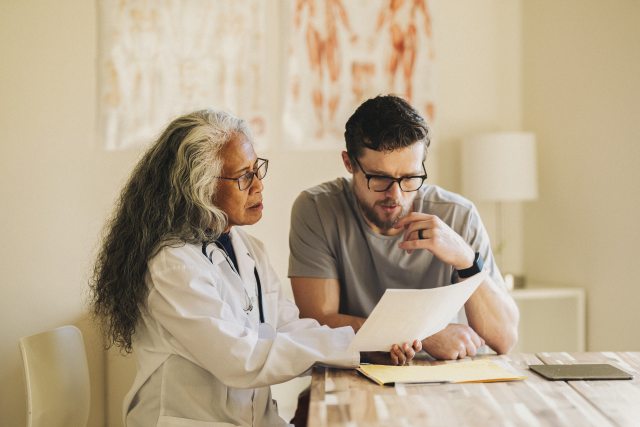
Learn which cancer tests are right for you and when to get them.
Finding cancer early makes a huge difference. When identified in the first stages, many cancers are much easier to treat. That's why regular screening tests are so important — they lower your risk of serious illness.
But which tests do you need? And when should you get them? It depends on your age, family history and other risk factors. Here's a guide to common screenings.
Breast cancer screening
Who needs it
Everyone has breast tissue. Monthly self-exams can help you spot changes over time.
People assigned female at birth and those with intact breast tissue should consider regular breast cancer screening by middle age. Some people may get screened sooner if they are at higher risk. Check with your care team to see what makes sense for you.
When to start
- High risk: You might need screening as early as age 25-30 if you carry certain gene changes or if there is a history of breast cancer in your family.
- Age 40-49: Talk with your doctor about yearly mammograms. Some people may benefit from starting at 40, especially if you have risk factors such as dense breast tissue.
- Age 50 and up: PeaceHealth breast cancer specialists recommend getting a mammogram every year.
What to expect
A mammogram uses X-rays to take pictures of your chest. The test takes about 20 minutes and may feel uncomfortable but shouldn't be painful.
PeaceHealth offers 3-D mammograms (tomosynthesis) in many locations. This is the latest technology available for breast cancer screenings.
Learn more about breast health and screening guidelines.
Colorectal cancer screening
Who needs it
Everyone should get screened for colon and rectal cancer starting at age 45.
If you have a family history of this type of cancer or a condition like inflammatory bowel disease , your doctor may recommend earlier or more frequent screening.
Understanding your options
Colon cancer often starts as a polyp (small growth in the colon), so screenings look for signs of these growths. You have several choices for testing, depending on your risk.
- At-home stool tests: Checks for blood in your stool (poop) that you can't see. Done every year. Recommended for people of average risk.
- Colonoscopy: A doctor looks inside your colon with a flexible tube and camera. If your care team finds polyps, they can be removed at the same time. Done every 10 years.
- CT colonography: A noninvasive alternative to standard colonoscopy. CT scans to take pictures of your colon. Done every 5 years.
Talk with your doctor or care team about which option makes the most sense for your situation.
Get more details about colorectal cancer screenings.
Cervical cancer screening
Who needs it
Anyone with a cervix should get regular Pap tests starting at age 21, even if they haven't been sexually active.
How it's done
Your doctor uses a tool called a speculum to collect cells from your cervix during a pelvic exam. The test looks for cell changes that could become cancer if not treated.
The schedule
Screening frequency varies with age.
- Ages 21 to 29: Pap test every 3 years.
- Ages 30 to 65: Pap test plus HPV test every 5 years, or Pap test alone every 3 years.
- Over 65: You may be able to stop screening if you've had regular normal tests.
Lung cancer screening
Who should consider it
Lung cancer screening is recommended if:
- You're between 50 and 80 years old.
- You have a history of heavy smoking (a pack a day for 20 years or two packs a day for 10 years).
- You currently smoke, or you quit within the past 15 years.
The test
Low-dose CT (computed tomography) scans can find lung cancer early. This imaging test uses less radiation than a regular CT scan and takes just a few minutes.
For patients whose screenings need a deeper look, PeaceHealth offers robot-assisted bronchoscopy. This gives lung specialists more details if there are signs of cancer deep in the lungs.
Find out when to get screened for lung cancer.
Prostate cancer screening
Who it's for
Anyone with a prostate should talk with their doctor about prostate cancer screening after age 50.
Black men and those with a family history of prostate cancer may want to start this conversation at age 45.
How it's done
Screening for prostate cancer typically involves a blood test called the prostate-specific antigen (PSA) test to find early signs of cancer.
If cancer seems likely, your care team may suggest a biopsy (tissue sample testing) to confirm the diagnosis.
The decision is yours
Unlike other cancer screenings, there's no one-size-fits-all recommendation for prostate cancer. Your doctor can help you decide based on your personal situation.
Learn more about prostate cancer screening.
Skin cancer screening
Start with self-exams
You know your body best. Examine at your skin once a month and note any changes in moles or new growths. The ABCDE rule can help you remember what to look for:
- Asymmetry (one half doesn't match the other)
- Border that's irregular
- Color that varies within the same mole
- Diameter larger than a pencil eraser
- Evolving (changing over time)
When to get professional screening
At your regular checkups, you can ask your PCP or care team members to look at any spots that concern you.
If you have a lot of moles, fair skin or a family history of skin cancer, they might recommend more frequent professional skin exams.
Your personal plan
Every person's cancer risk is different. Your age, family history, lifestyle and other health conditions all play a role in which screenings are right for you, and when.
Most screenings are covered by insurance, and some are available at low cost through community programs.
No matter your situation, experts recommend getting screened regularly instead of waiting until you notice symptoms. Many cancers don't cause symptoms in their early stages, but that's when treatment works best.
Here are a few ways to stay on track:
- Mark screening dates on your calendar.
- Ask your doctor's office to send reminders.
- Consider scheduling your next screening before you leave your current appointment.
- Keep a personal record of your screening dates and results.
Learn what to expect with PeaceHealth cancer screenings.
The bottom line
Regular cancer screenings are one of the most powerful tools we have for catching cancer early. Don't hesitate to have these important conversations with your doctor or care team.
Together, you can create a screening plan that makes sense for your life and gives you the best chance to stay healthy.


