How to avoid the medical tent at your next race
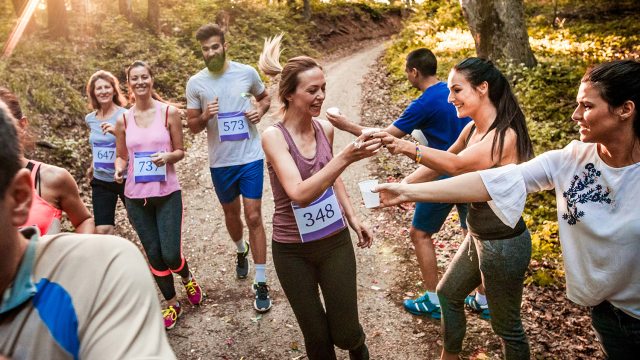
Here are tips from a doctor on avoiding injuries and ailments during long-distance races.
As an active person, family doctor and lead physician volunteer for the Eugene Marathon medical tent from 2007 to 2022, I've gained a well-rounded perspective on running injuries. Over the years, I have helped countless people complete running events.
When we're heading into marathon season, there's no better time to talk about how to avoid injuries and ailments during distance running events.
If you're running a race, you should have followed a proper training regimen to slowly build strength, stamina and speed. But even if you're in top shape, you can get into trouble during an event.
Here's my best advice to avoid a visit to the medical tent during a race. These tips apply to anyone who runs or exercises vigorously, wherever they may be.
Hydrate, hydrate, hydrate during the race
The most common problem we see in the medical tent is dehydration — especially on warm, sunny days. The average person loses as much as 1 to 2 liters of water per hour during vigorous exercise. As you lose fluids, energy wanes, muscles cramp and blood pressure falls.
Symptoms of mild dehydration include headache and light-headedness. These are typically bad enough to affect your time but unlikely to bring you to the medical tent.
As dehydration worsens, electrolytes — minerals such as calcium and potassium that carry energy through the body — become imbalanced. These throw off your blood chemistry, muscle function and other key bodily functions. In more severe cases, you can become delirious.
The American College of Sports Medicine recommends drinking approximately 16 ounces of fluid about 2 hours before exercise. This ensures adequate hydration and allows time to excrete excess water.
Avoid caffeinated beverages, as they have a diuretic effect. During your run, keep drinking — 4 to 8 ounces every 15 to 30 minutes.
Eat properly before and during the race
Meals leading up to the race should include foods with complex carbohydrates. These include whole grains, green vegetables, legumes and starchy vegetables like potatoes, squash and corn. Also be sure to eat adequate protein and get enough iron.
Carry carbohydrate-rich snacks like energy bars with you during the race.
Wear the right shoes during the race
Wear the shoes you've being training in. While it’s essential to wear shoes that are in good condition, race day isn't the time to break in a new pair. We’ve see plenty of blisters and lost toenails in the medical tent. The right pair of shoes can help prevent these.
Don't stop suddenly at the end of your race
Over the years, we’ve seen that runners who stop abruptly when they reach the finish line tend to experience more light-headedness and sometimes delirium, as blood pressure suddenly drops. Keep walking to the recovery area and gradually slow yourself down.
Run at your own pace for your own enjoyment
If I could share one thing I've learned in my years in the medical tent, it's this: If you want to be a runner, do it at your own pace and for your own enjoyment.