
Why watch the condition of your shoes and tips on how to make them last
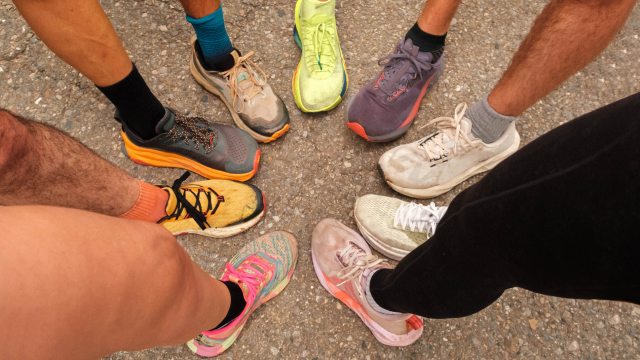
Even the best shoes don't last forever. How to tell when you need a new pair.
A comfortable run, walk or a long shift at work starts with good shoes. But even the best shoes don’t last forever.
How can you tell if it’s time for a new pair? And does it really make a difference?
According to Kaitlin Carew, PT, a physical therapist at PeaceHealth in Eugene, Oregon, wearing the right shoes is essential for stability and support. This is true whether you’re running, working or just spending a lot of time on your feet.
As a triathlete and a Boston Marathon finisher, she has “run through plenty of shoes!” Along with her job at Sacred Heart Medical Center at RiverBend, she works at a running store where she sees and hears the same from other fitness buffs.
You can feel the wear and tear
Generally, you can tell your shoes are wearing out when you start to notice new signs of soreness after a workout.
Those symptoms might be a little different for everyone. “Personally, I experience a lot of pain on the bottom of my feet and discomfort in my shins when my shoes are getting to the end of their life,” she says. Kaitlin also tends to feel sore more often after running in overly worn shoes.
Other clues that your “shock-absorbers” aren’t working so well could be an achy back or sore joints. If you feel aches and pains but your workout hasn’t changed, your shoes could be the reason.
It can be tempting to ignore these small signs. But listening to your body is an important part of remaining active.
Why it is important to pay attention to your footwear
Not wearing the right shoe can increase your risk of injury. And healing from an injury can take days or weeks. No fun.
Also, you’re less likely to keep up with your workouts if you feel uncomfortable afterward. Getting regular exercise is vital for your well-being. Trying a new or different pair of shoes can help you stick to this powerful habit.
“An insole insert can also be very helpful, as long as it is truly needed,” she says. Ask a podiatrist or physical therapist about insoles and what type may be best for you. It’s important that they are comfortable while they’re in the shoe.
As important as quality shoes are, upgrading them might not always be your key to relief. If your pain continues, gets worse or lasts more than a week or two, talk with your primary care provider. You might have an underlying injury or condition that should be treated.
Watch shoes for wear and track your miles
Most athletic companies claim their shoes are good for 300 to 500 miles. The mileage you actually get varies based on your gait, trail surface (e.g., gravel or pavement) and other factors. You may go through three or four pairs per year, if you walk or run five miles a day.
Many experienced runners and walkers track their shoe usage, so they know when it might be time to get a new pair. Carew uses a popular running app to check how long she has been using hers. Several fitness tools offer this feature. Look in your smart phone app store or ask for recommendations from friends or the staff at your local fitness store.
If you’re not a fan of software or gadgets, you can track your miles using a calendar. Or use permanent ink to mark your shoe with the date you started wearing them. Pick a spot like the tongue or side where the ink is less likely to wear off.
It’s also good to check for wear and tear every few weeks. Look at the bottoms. Is the tread wearing down? Does the middle sole feel tough? When you push inside the bottom of the sneaker, does it feel cushy or hard? "It should be a little spongy to give you the kind of support you need,” says Carew.
More tips on how to get the most out of your shoes
- Wear workout shoes for exercise only. For errands or activities around the house, pick a different shoe. This saves unnecessary wear on the pair you use for runs or walks.
- Use more than one pair. “I extend the life of my running shoes by rotating through multiple pairs,” says Carew. In the rainy season, this also gives one pair a chance to dry out while you use another pair.
- Recycle your old shoes. If they’re still in decent shape, but not good for running, save them as knock-around shoes to wear around the yard. Otherwise, look online for shoe recycling options. Companies like Nike offer ways to retire your old gear and nonprofits like Soles4Souls take shoe donations at drop-off sites or by mail. “Every once in a while, local running stores will do shoe drives, so keep an eye out for that,” says Carew. If there’s still some life in them, your donation might go to someone who needs footwear. Or the component materials could be reused as track or playground surfaces.
Good shoes for a healthier you
As fun as it is to get new shoes, it’s not really just about the shoes. It’s about what they help you do — running, walking and other activities that keep you healthy. A good pair of shoes, treated well, will help you live a longer, more comfortable life.


