
Lonely? 12 ways to connect with older family and friends
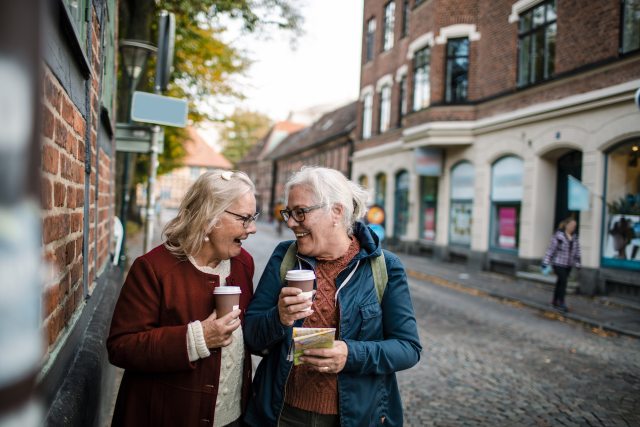
Reaching out to others can help you both.
Everyone feels lonely at times, but it’s especially common for older adults. And there are a lot of reasons for this.
“Old age can be a time of difficult losses,” says Rachel May, NP, a nurse practitioner who specializes in geriatric medicine at PeaceHealth in Bellingham Washington. “As our bodies and minds age, we might lose our ability to do some of the things we’ve always cared about.”
Changes as we age
Many people past the age of retirement experience things like:
- Giving up driving. That makes it tougher to get out and about.
- Moving out of a home that holds special memories. That might mean living farther away from neighbors or places you’re familiar with.
- Outliving partners, family members and friends. It takes time to grieve the loss of someone so close.
“Older adults sometimes feel sidelined out of the busy lives of their children and communities — or they withdraw from others,” says May. She saw it firsthand while working, in school and raising young children. Her mother struggled with poor health and depression. “At the time, I hadn’t realized I could have gone with her to the doctor to talk about getting her the support she needed.”
Additionally, typical health conditions like the following can make it harder for older adults to feel comfortable around others:
- Not hearing clearly.
- Blurry or low vision.
- Weakness or difficulty moving.
- Trouble getting to the toilet in time or needing to go often.
Why loneliness is such a concern
“Feeling lonely makes anxiety and depression worse,” says May. This can affect self-esteem and it can lead to unhealthy life coping skills such as smoking, alcohol or drug use, overeating or not being physically active.
Loneliness can also worsen fatigue, disability or uncontrolled pain. These along with unhealthy habits mean lonely people may be at increased risk for:
- heart attack
- stroke
- diabetes
- mental health concerns
- sleep disorders
- poor nutrition
- confusion
All of us — regardless of our age — need regular social interaction to lift our spirits. And that can help us feel better physically and mentally.
Ways to connect
It’s important to find ways to stay engaged with others — those closest to you as well as those you might not know, says May.
Tips for older people
Here are some ways to feel more connected and less lonely:
- Check for local resources. Many agencies give free or low-cost advice on a wide range of topics for people 50 or older. Below are options to explore by area:
Alaska (Ketchikan)
- Southeast Senior Services Center
- Alaska Aging and Disability Resource Center
Oregon (Cottage Grove, Eugene, Florence, Springfield)
- ADRC Lane County
- Lane County Home & Community Based Services
Washington (statewide booklet on isolation)
Bellingham
- Whatcom Council of Aging
- NW Regional Council on Aging and Disability
- Aging Well Whatcom
Longview
- Area Agency on Aging and Disability of Southwest Washington
- Longview Senior Center
Sedro Woolley
- Sedro Woolley Senior Center
- NW Regional Council on Aging and Disability
Vancouver
- Area Agency on Aging and Disability of Southwest Washington
- Clark County Commission on Aging
2. Visit your doctor. Talk with your primary care provider about treating conditions that might be holding you back from being around others. Also, clinics that serve seniors, like PeaceHealth’s Center for Senior Health, offer social work, care management and mental health support. Those services go beyond regular medical care.
3. Talk with family, friends or neighbors. Let them know when you’re feeling low. Someone will more than likely be willing to drop by or call if that helps you feel better.
4. Visit a senior center. Make new acquaintances or meet with old friends. Many centers host social activities and/or offer low-cost or free meals.
Ketchikan, Alaska: Saxman-Ketchikan - Catholic Community Service
Cottage Grove, Oregon: Cottage Grove Senior Recreation
Eugene and Springfield, Oregon:
- Campbell Community Center
- Eugene Senior Programs
- Willamalane Adult Activity Center
Florence, Oregon: Florence Oregon Senior Center
Bellingham, Washington: Whatcom County Senior Centers
Friday Harbor, Washington: Mullis Center
Longview, Washington: Longview Senior Center
Sedro Woolley, Washington: Sedro Woolley Senior Center
Vancouver, Washington: City of Vancouver Community Centers
5. Sign up for Meals on Wheels. Many cities offer this service. It not only provides nourishing food for low-income residents but a friendly face of someone who regularly sees how you’re doing. Visit Meals on Wheels America: Helping Seniors Nationwide and enter your zip code to see if the program is available near you.
6. Get involved in one or more groups. A recent study showed that being part of varied groups can improve feelings of well-being. Book clubs, crafting groups, Bible studies or community college classes are among many ways to meet people who share your interests. You might plug into a veterans’ organization such as the VFW or community service groups such as an Elks Lodge or Rotary. Libraries can also be a good place to connect with others. If you’re unable to leave your house and you have a tablet, smart phone or computer with WiFi, you can try online meeting options like these from the AARP (Association of Retired Persons).
7. Volunteer. You might find ways to give back to the community. Ask local nonprofits about opportunities to share your time and skills. Most PeaceHealth hospitals have a volunteer office. Learn more about the health benefits of volunteering.
Advice for younger people
If you’re young but are concerned that an older family member or friend might be lonely, you can try a few different options. Use what feels right or works best for you and your loved one.
- Visit in person. Ask what day or time is best.
- Mail a note. If your loved one has poor eyesight, type or print in larger lettering.
- Make a phone call. For a loved one who hears well, this is a convenient way of touching base. If you're worried that calls might drag on, tell them upfront how long you can talk.
- Send a text. Does your loved one use a smart phone? Text messages can be a quick and simple way to brighten their day.
- Video chat. If your loved one is tech savvy, see if they'd enjoy a video chat once in a while.
Try to put yourself in the shoes of the person you're visiting. If they withdraw or act a bit grumpy, don't assume you've said or done anything wrong. Consider they might be in pain or physically uncomfortable. For those with numerous health conditions, shorter visits might be best.
At any age, memory can start slipping. If you hear the same story for what seems the millionth time, go along with it. Making a big deal about it can make the person feel embarrassed.
During your interactions, take note of things that cause concern. You might be able to help with something simple, like replacing a hearing aid battery. If it's more serious than that, suggest a doctor's visit or let another family member or caregiver know.
"The beauty of relieving loneliness for someone else is that it often alleviates it for ourselves as well," says May. "And that's good for us all."
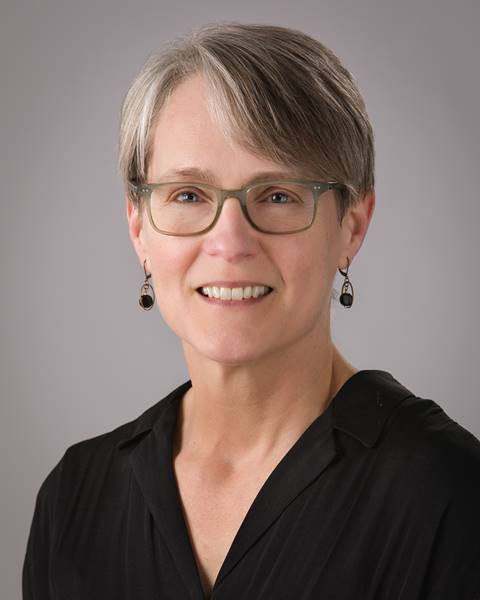
Rachel H. May NP
Rachel May, NP, is a board-certified Adult and Geriatric Nurse Practitioner, practicing at the PeaceHealth Center for Senior Health. She has a deep passion for helping older adults live well.
She started her career with a degree in Fine Arts, as painting was her first love. Years later, she earned her nursing degrees. She completed her Associate of Science in Nursing degree at Whatcom Community College in Bellingham, followed by her Bachelor of Science in Nursing degree at the University of Washington, Bothell. She completed her master’s education at Gonzaga University in Spokane. She further advanced her training with a post-master’s certificate in adult and geriatric acute care from the University of Pennsylvania in Philadelphia, Pennsylvania.
Rachel led innovative hospital programs focused on improving care for older patients. Her work helped increase home discharges by 50% and reduced readmissions. Rachel has spent her nursing career at PeaceHealth St. Joseph Medical Center, first as an RN, and then most recently as a hospitalist, caring for older patients in the hospital.
Rachel's mission is to ease suffering and advance health and wellness by providing evidence-based care to older patients. She states, “I believe aging can be approached with joy and optimism, even as patients begin to face serious and life-limiting health problems. It all starts with focusing on what makes life meaningful for us.”
"I like to get to know my patients and ideally, their family or support people, so we can work together as a team to protect the patient’s wellbeing, independence, ability to function well in their home setting, and to avoid hospitalization and care that won’t benefit them," she says about her philosophy of care.
Outside of medicine, Rachel is an artist, nature lover, avid reader and helps communities in need. Her mornings begin with painting landscapes in her garage studio before work. She also loves hiking, kayaking, and going for long walks along the waterfront with friends.


