
How to spot a stroke and what you can do to prevent one

Here are key steps you can take to reduce your risk for stroke.
Each year, more than 795,000 people in the United States experience a stroke. That makes it the fourth leading cause of death and top cause of long-term disability, according to the American Stroke Association.
Because stroke is so common and because it strikes suddenly and needs urgent attention, it's important to learn how to spot signs quickly and call 911 if any appears.
Learn common stroke symptoms
Common stroke symptoms include:
- Sudden numbness or weakness in the face, arm, or leg (especially on one side)
- Confusion
- Trouble speaking or understanding
- Vision problems like blurred or double vision
- Loss of balance or coordination
- Severe headache
The B.E. F.A.S.T. acronym from the American Stroke Association helps:
- Balance loss or dizziness
- Eyes with sudden vision changes
- Face drooping (ask them to smile)
- Arm weakness (raise both arms)
- Speech difficulty (slurred or strange)
- Time to call 911
Types of strokes
There are two main types of strokes. About 85% are ischemic strokes (pronounced is-key-mick), which happens when a blood vessel supplying the brain gets blocked by a clot, cutting off blood flow. The rest are hemorrhagic strokes (pronounced hem-OR-agic), which occur when a blood vessel in or around the brain bursts or leaks, causing bleeding and pressure on nearby brain tissue.
When blood leaks directly into the brain, it also triggers inflammation and swelling (the body’s immune response) which can worsen brain injury. Both types of strokes are medical emergencies and need prompt treatment.
Treatment advances for stroke
There’s good news, though. The outlook for ischemic stroke has improved significantly in the recent years. Medications known as “clot‑busters” can dissolve the clot and restore blood flow if given within a few hours of symptom onset, and in selected cases even longer based on advanced imaging.
In addition, a minimally invasive procedure (thrombectomy) in which a specialist threads a tiny device through blood vessels to remove the clot, can dramatically improve outcomes in patients with large vessel blockages when performed as soon as possible, often up to 24 hours after onset in carefully selected patients.
Hemorrhagic strokes remain more challenging to treat, but care is improving. Treatment focuses on:
- Quickly lowering dangerously high blood pressure
- Reversing blood thinners
- In some cases, performing surgery to remove blood or repair a damaged blood vessel
Even with these advances, people who have hemorrhagic strokes are more likely to have severe disability or die, which makes prevention especially important.
Fortunately, both types of strokes can be prevented.
Know your risk factors for stroke
Stroke is preventable in many cases. One of the most important steps to prevent stroke is to keep your blood pressure under 120/80 mm Hg, or as recommended by your clinician, based on your age and other conditions.
High blood pressure (hypertension) often runs in families and may not cause any obvious symptoms (hence called, “The silent killer”). So, regular blood pressure checks are essential.
Ask your primary care provider for ways to manage your blood pressure. They can suggest changes such as exercise, nutrition, and medications to help prevent stroke and other long-term health conditions. Learn everyday ways to lower your blood pressure.
High blood pressure isn’t the only thing that can set the stage for a stroke.
Hemorrhagic stroke can also happen due to:
- Blood vessel conditions
- Bleeding disorders
- Aneurysms (ballooning of blood vessels in the brain) or use of illegal drugs
Some communities have seen more people with bleeding in the brain due to methamphetamine use.
How to lower your stroke risk
You can take steps today to protect your brain:
- Manage your blood pressure. Aim for under 120/80, or your doctor's target for you.
- Stay physically active. For most adults, it's good to get at least 150 minutes of moderate exercise per week, such as brisk walking, unless your clinician advises otherwise.
- Maintain a healthy weight through balanced eating and regular movement. Getting to or staying at a good weight has many benefits.
- Eat a heart‑healthy diet rich in fruits, vegetables, whole grains, lean protein, and healthy fats, and limit sodium. A common goal is less than 1 teaspoon of salt a day total, including what is in processed foods. See these tips on stocking your pantry to support healthy eating.
- Avoid smoking, vaping or using tobacco; If you do smoke, ask your primary care provider about quit-support options. Learn how smoking affects your heart.
- Use only medications prescribed for you and avoid illegal drugs, especially stimulants.
- Limit alcohol, following your provider’s advice based on your health condition. Check out these reasons to try going "dry."
Ask your family and friends about their experience with stroke. Encourage others to talk about what they know or have seen.
Your simple conversations might save a life.
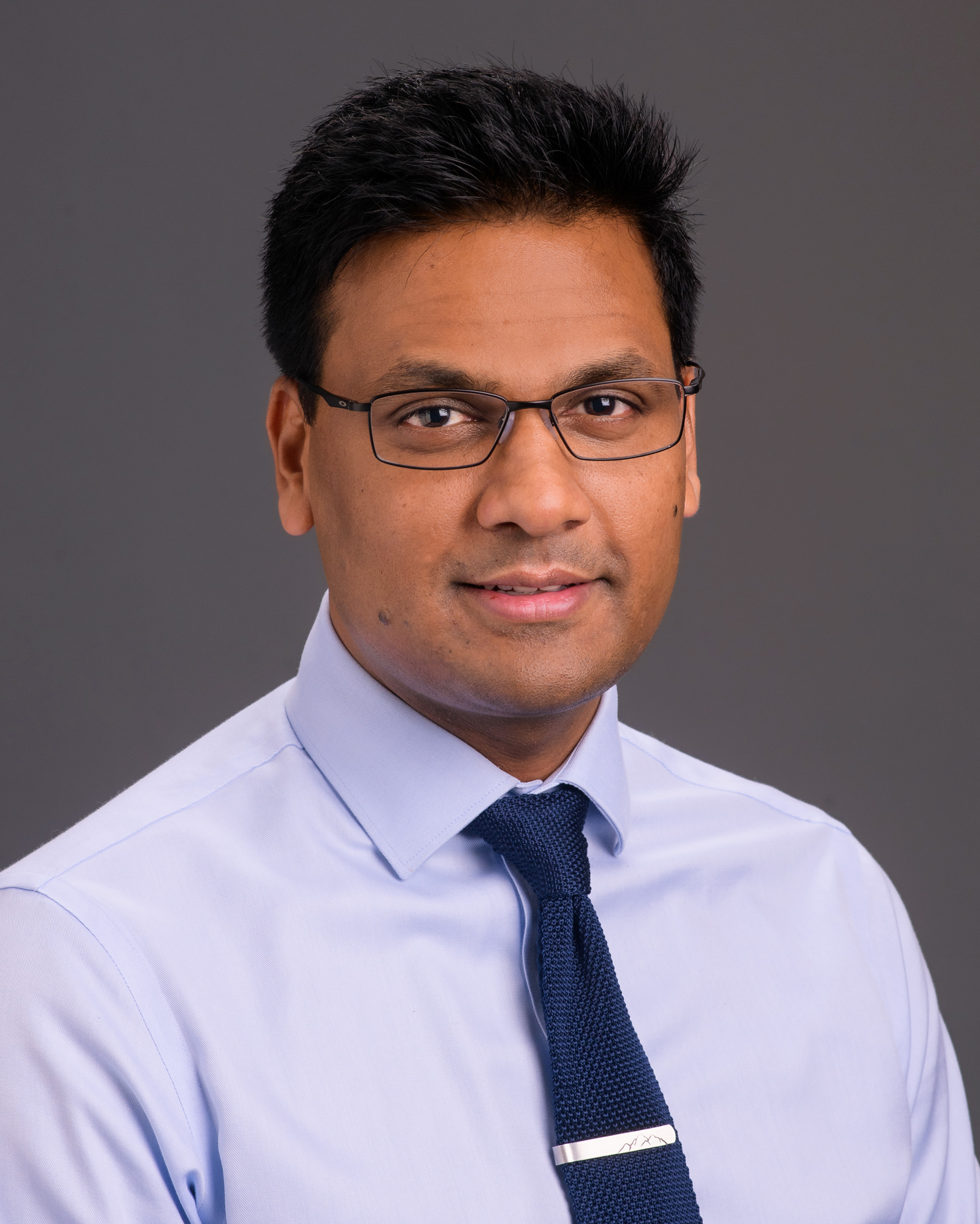
Anudeep Yelam MD
Dr. Yelam is a neurohospitalist at PeaceHealth Sacred Heart Medical Center at RiverBend. Neurohospitalists care for hospital patients with brain-related injuries or conditions. He’s also the Stroke Medical Director for the certified comprehensive stroke center there.
He specializes in acute neurological and stroke care. His goal is to help patients get back to living full lives. This means giving effective treatments as quickly as possible in emergencies.
Dr. Yelam is board eligible in neurology and vascular neurology. He meets high standards and stays current with new treatments.
He trained at the Emory University School of Medicine. He served his residency at University of Missouri - Columbia. Dr. Yelam also worked as a sub-investigator on stroke trials. And he has co-authored several peer-reviewed books, chapters and journal articles.
He is fluent in both English and Telugu.


