
Discover the powerful health benefits of volunteering
| Healthy You | Community | Wellness
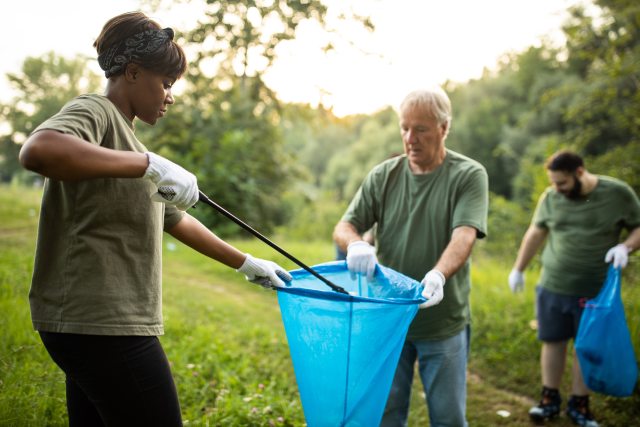
Decades of research shows that helping others is good for you, too.
Did you know that the warm feeling you get when you help someone isn't just in your mind? It's also a sign that your body is responding in ways that improve your health.
"When seniors volunteer, they actively use their brains and bodies," says Jessica Howell, a PeaceHealth nurse practitioner who works with older adults in Eugene, Oregon. "This helps keep them active, social and participating in their community."
Howell says that physical benefits include improved muscle strength, balance, coordination and mobility. Older adults who volunteer also have a lower risk of dementia.
Physical and mental health benefits of volunteering
When you give your time to help others, your brain releases "feel good" chemicals like dopamine and oxytocin. These natural compounds:
- Create feelings of joy and satisfaction.
- Lower stress hormones like cortisol.
- Guard against depression.
There are also significant physical benefits. For example, researchers at The University of Michigan discovered that at people who selflessly donate their time live longer than those who don't.
And a study in the journal Psychology and Aging found that volunteers older than 50 have lower blood pressure than non-volunteers. This is important because high blood pressure is linked to heart disease, stroke and other serious conditions.
Volunteering helps you stay active without thinking about exercise
When you volunteer, it keeps your mind and body involved in work that matters.
Tasks like organizing supplies, answering phones at a nonprofit or helping with data entry all exercise your brain power.
If you're physically able, supporting staff at hospital rounds or community events is a gentle way to add movement to your day.
This can help with muscle strength, joint flexibility and balance.
According to a study in the American Journal of Preventive Medicine, older adults who volunteer stay fit longer than those who don't.
"Volunteering keeps people engaged in ways that feel meaningful instead of like exercise," says Malissa Glass, director of volunteer services for PeaceHealth's Oregon Network. "Whether someone is walking hospital halls or helping coordinate events from an office, they're staying active and connected to their community."
Volunteering builds human connections
Loneliness can be as harmful as smoking or drinking alcohol, according to the U.S. Surgeon General's Office. One of the most significant ways volunteering helps us is by fostering personal connections. It can:
- Give you a chance to meet people with similar interests.
- Build relationships across generations.
- Offer chances for socializing beyond your friends and family.
- Help you create a support network in your community.
Nancy Glascock is a longtime volunteer at PeaceHealth Sacred Heart Medical Center in Springfield, Oregon. For more than 16 years she's helped out with tasks like making deliveries, working in the hospital gift shop and doing office work.
There's a sense of fulfillment that comes from offering support to staff or being able to sympathize with patients, she says. "You go home feeling like, 'I made a difference for someone today.'"
Volunteering helps you find purpose and boosts long-term health
The sense of purpose that volunteering offers can make life more satisfying. It also may help you live longer, according to research published in JAMA Psychiatry.
Having a reason to get up in the morning is especially important during life transitions. It can give you structure when your kids leave home, after a divorce, when you retire or after losing a loved one.
"Many of our volunteers have been through difficult times, such as the loss of a spouse or child," says Glass. "Volunteering gives them a place to connect with others who have similar experiences and a shared purpose."
It's easier than you think to start volunteering
If you want to volunteer, start by considering what you enjoy doing and the time you have available.
Many nonprofits offer one-time volunteer opportunities. This can be a good way to try different activities before making a commitment.
Think about your abilities and interests:
- Do you like working with kids, older adults, animals or nature?
- Are you comfortable in social settings or do you prefer being behind the scenes?
- What skills from your work or hobbies might be valuable to share?
Once you know what you want to do, look for relevant opportunities near you. Reach out to hospitals, schools, parks departments, food banks or religious groups to see how you can help. You can also search websites like VolunteerMatch or contact your local United Way.
Remember, volunteering isn't just a nice thing to do. It's a powerful way to take care of your health while supporting the well-being of others.
"I encourage anyone who is considering volunteering to think about what interests them and what brings them joy," Howell says. "Even little tasks are impactful for the volunteer and the community."
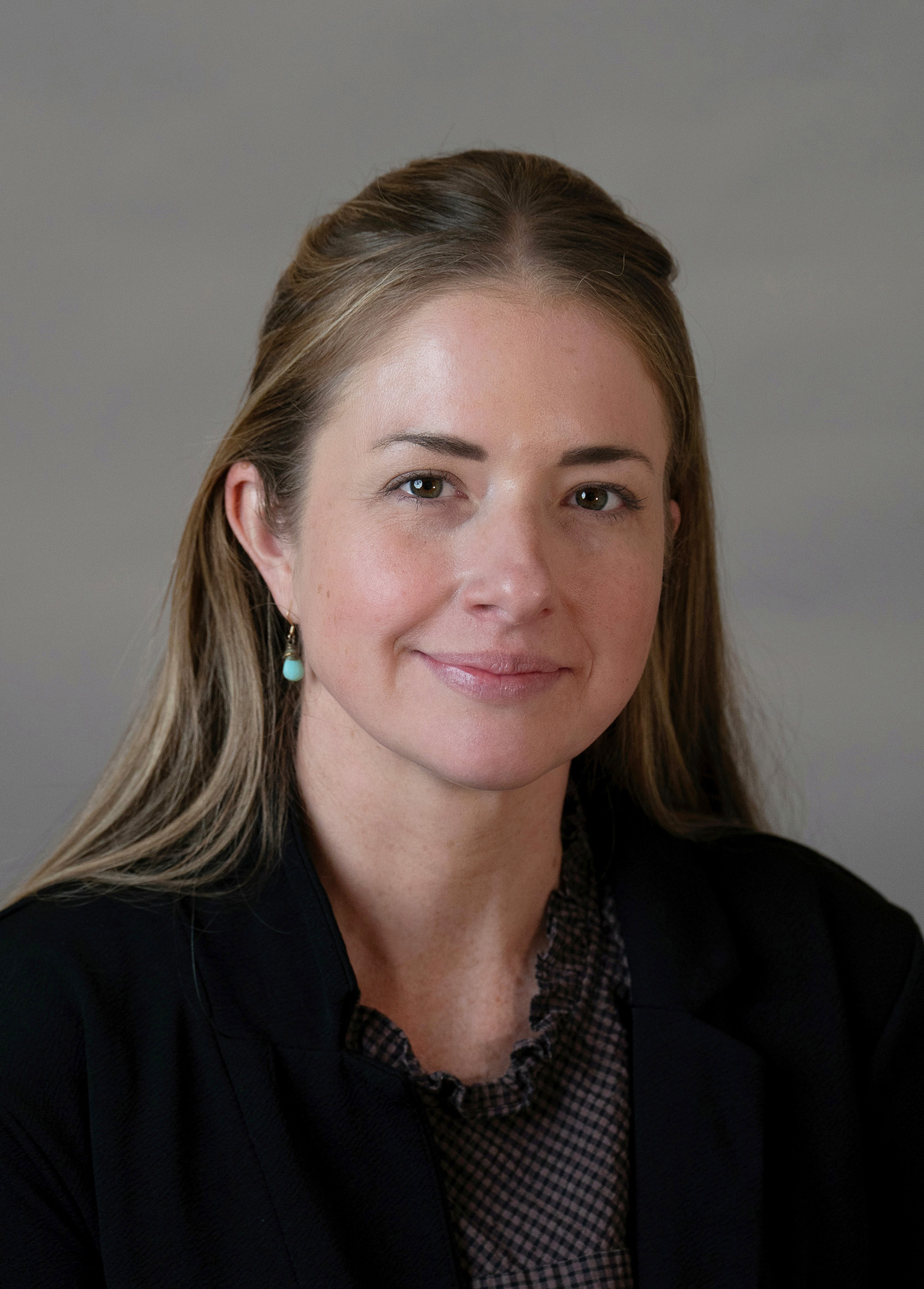
Jessica E. Howell NP
Jessica Howell, NP, has joined the staff at the Barger Clinic and will focus on geriatric primary care.
She earned her doctor of nursing practice, focusing on family practice, and post masters nursing education certificate from Johns Hopkins University; her master of science in nursing from Western Governors University; and her bachelor of science, majoring in nursing, from Oregon Health & Science University.
She most recently worked at Bushnell University, where she was an assistant professor in nursing.
She describes her philosophy of care as “every person has inherent worth and dignity, which should be valued by all at all times.”
“I love the geriatric population,” she added. Her grandfather was volunteer chaplain at the Veterans Administration in Roseburg, and she attended services with him, getting to know many of the people who regularly attended.
“I’ve been around that population my whole life,” Howell said. “I adore them. They are old now, but they were somebody’s baby one day, and if their parents were still here, I think to myself, Am I making your mom or dad happy with how I’m caring for you?”
When not working, Howell enjoys spending time with her family, reading, running, being active and in the outdoors and birdwatching.


