
Mammograms save lives: your complete guide to breast cancer screening
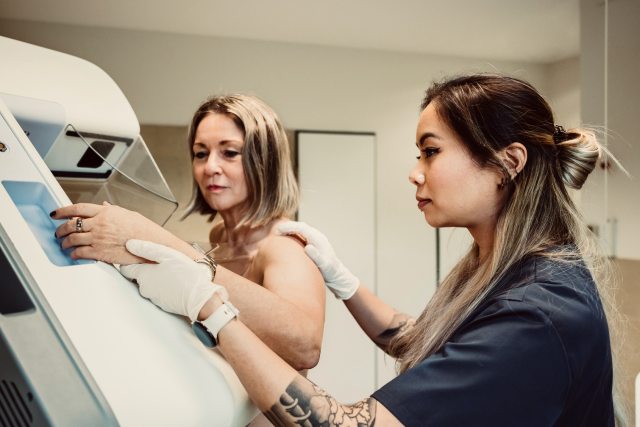
New technology and personalized planning makes mammography more effective than ever.
This year, more than 300,000 people in the U.S. will learn they have breast cancer. The good news? Regular mammograms can catch it early, when treatment is most successful.
October is Breast Cancer Awareness Month, making now the perfect time to schedule your mammogram if you're due for one. With new technology and personalized approaches, these screening tests are more effective than ever.
Why regular mammograms matter
Mammograms are one of the best ways to detect breast cancer early, says Sushan Rana, MD, a PeaceHealth radiation oncologist in Vancouver, Washington.
"Breast cancer is the most common cancer in women," he says. "Finding it early gives doctors the chance to provide the most effective treatment with fewer side effects and the greatest chance of a cure."
If you've hesitated in the past, it's important to know:
- Early detection saves lives. Mammograms can find cancers up to two years before you or your doctor can feel them. Treating breast cancer early, before it spreads, gives you a 99% chance of living at least 5 more years. That’s about the same odds as people your age who’ve never had cancer.
- New technology improves accuracy. Many PeaceHealth locations now offer 3D mammography, also called tomosynthesis. This advanced imaging creates a three-dimensional picture of your breast, making it easier to spot small cancers and reducing false alarms.
- Quick and accessible. From check-in to check-out, a mammogram appointment usually takes less than 30 minutes. You can book online using our patient portal, My PeaceHealth.
When to start mammograms
One professional group, the National Comprehensive Cancer Network, recommends screenings every year starting at age 40 if you are at average risk.
PeaceHealth also recommends breast cancer screenings once a year, based on guidance from the American College of Radiology and the American Society of Breast Surgeons.
Recommendations from other medical societies differ slightly, but experts agree on the importance of regular screening:
- Age 40-49: Talk with your doctor about yearly mammograms. Some people may benefit from starting at 40, especially if you have risk factors such as dense breast tissue.
- Age 50 and up: Get a mammogram every one to two years.
- High risk: You might need screening as early as age 25-30 if you carry certain gene changes or if there is a history of breast cancer in your family.
Considerations for Black women
Black women are more likely to develop aggressive forms of breast cancer and at younger ages. Yet cultural barriers and mistrust of healthcare systems may prevent some people from getting screened.
"At PeaceHealth, we're committed to providing breast cancer screening that respects your culture, values and comfort, because everyone's health journey is unique," says Shalini Pillarisetty, MD, a medical oncologist in Vancouver.
Your risk factors matter
Most people diagnosed with breast cancer have no family history of the disease. However, certain things can increase your risk:
- Dense breast tissue.
- Certain findings from previous breast biopsies.
- Having a close relative diagnosed with breast or ovarian cancer.
- Early menstruation or late menopause.
If you have higher risk factors, you might benefit from:
- Earlier or more frequent screening.
- Additional imaging like breast ultrasound or MRI.
- Genetic counseling and testing.
Managing mammogram anxiety
Feeling nervous about your mammogram is normal. Here are ways to make the experience more comfortable:
Before your appointment:
- Schedule for the week after your period, when breasts are less tender.
- Avoid caffeine, which can increase breast sensitivity.
- Wear a two-piece outfit so it's easier to change. Leave jewelry at home.
- Don't use deodorant, powder or lotion on your chest or underarms.
During your mammogram:
- Let the technologist know about any concerns or sensitive areas.
- Ask questions if you want to know more about what's happening.
- Practice deep breathing to help you relax.
It may help to remind yourself that the brief discomfort of an exam helps create clear images that could save your life.
Understanding your results
Most mammogram results are normal. Here's what you may see when you review the test summary:
- Normal: No signs of cancer found. Continue with regular screening as recommended.
- Needs additional imaging: About 10% of mammograms require follow-up scans. This doesn't mean you have cancer. It simply means doctors want a clearer look at an area.
- Biopsy recommended: If imaging shows a potential area for concern, a biopsy can show if it's cancer. Most tissue samples that are biopsied are benign (non-cancerous).
Beyond mammograms: complete breast health
Along with regular mammograms, you can maintain your breast health by:
- Doing monthly self-exams.
- Being aware of how your breasts normally look and feel.
- Letting your doctor know right away if you notice any changes.
- Practicing healthy habits like regular exercise and a balanced diet.
Take the next step now
If it's been more than a year since your last screening, or if you're 40 and haven't had your first mammogram, now is the time to take action.
It's also important to know that concerns about paying for a mammogram shouldn't keep you from getting this life-saving test.
- Most insurance plans cover screening mammograms with no out-of-pocket cost.
- If you don’t have insurance or can’t afford screening, free or low-cost options may be available.
- PeaceHealth also offers financial assistance (sliding fees) for qualifying patients.
"Regular mammograms are one of the most important things you can do for your health," Dr. Pillarisetty says. "Talk to your doctor about when to begin breast cancer screening that's right for you.”

Shushan Rana MD
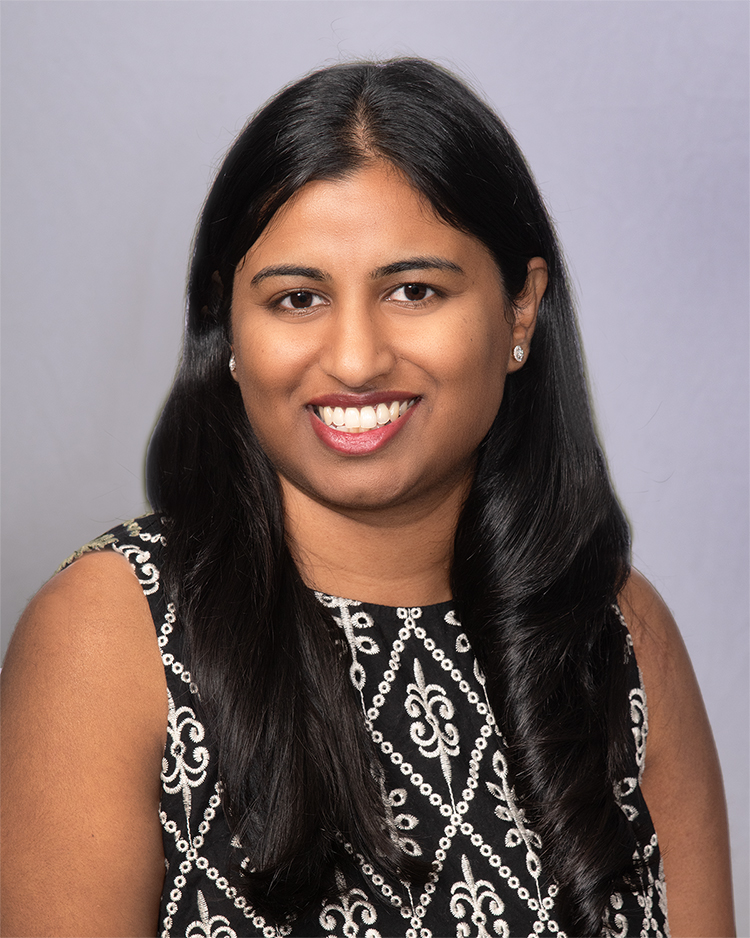
Sai Shalini Pillarisetty MD
Shalini Pillarisetty, MD, is a board-certified physician specializing in oncology, hematology and oncology research.
Cancer care can be a lengthy process. Dr. Pillarisetty's philosophy of care supports both patients and their families during treatment.
“Building trust with my patients and their families is very important to me. I take the time to hear them out and focus on what they really need, whether it’s more information or some TLC. Whatever they need to help them through difficult situations.”
Dr. Pillarisetty earned her undergraduate and medical degrees from Kamineni Institute of Medical Sciences in India. She received added training in oncology, hematology, hospice and palliative care, and internal medicine at medical centers in New York and in the midwest.
Dr. Pillarisetty says it was an easy decision to move to the Pacific Northwest. She and her husband enjoy the beauty and peace of the outdoors. It also brings them closer to family living along the west coast.


