When One Voice Sparked a Community-Wide Effort Against Colon Cancer
|
A simple question raised by a caregiver helped launch one of the most collaborative prevention efforts PeaceHealth Peace Island Medical Center has seen in recent years.
The idea began after a Peace Island peri-operative registered nurse, Ronnie Metcalf attended a gastrointestinal conference and returned with a growing concern: colorectal cancer is being diagnosed more frequently in younger adults, and too many people remain unscreened until symptoms appear. Nationally, colorectal cancer rates in adults under age 50 have been rising for decades, prompting updated screening recommendations and renewed urgency around early detection.
Rather than treating the issue as a single department initiative, teams across PeaceHealth Peace Island came together around a shared goal: help more people get screened before cancer develops or is detected at a later stage.
What followed became a true facility-wide quality and safety effort.
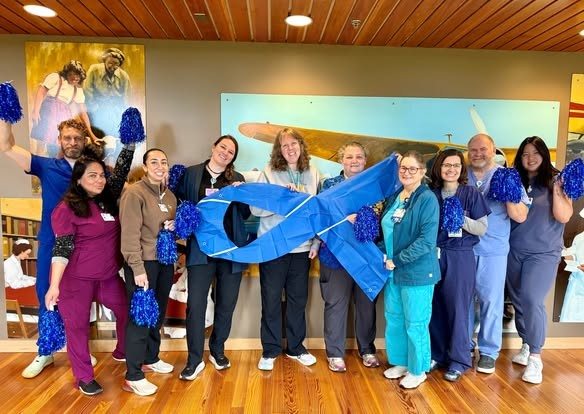
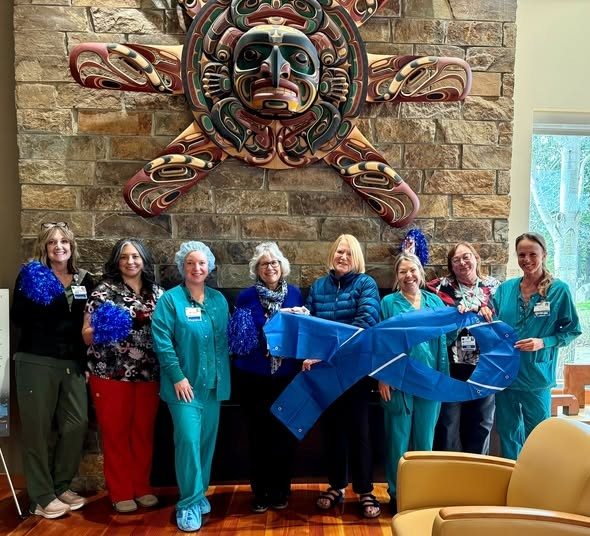
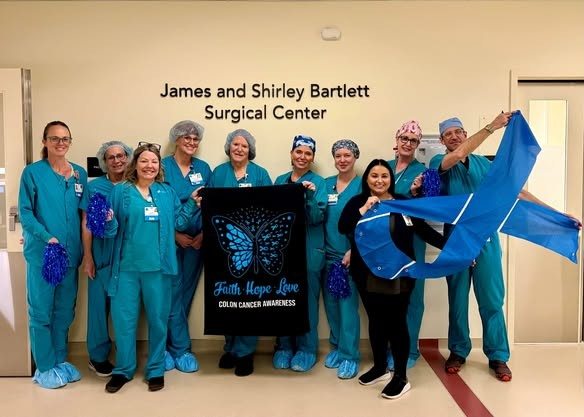
Caregivers from primary care, ambulatory services, laboratory, imaging, specialty care, community outreach and other departments worked together to educate patients, promote screening options and streamline access to follow-up care. The campaign emphasized both awareness and action, helping patients understand the importance of routine screening while making it easier to take the next step.
The response exceeded expectations.
For the first time, the laboratory's supply of fecal immunochemical test (FIT) kits was completely depleted as community demand surged. At the same time, caregivers saw a noticeable increase in referrals and patients entering the work queue to schedule screening colonoscopies.
Results at a glance
- 363 number of FIT tests distributed
- 3X more FIT tests ordered
- 74 colonoscopies scheduled or pending scheduling
Behind those numbers was something equally meaningful: the way caregivers rallied around a common purpose.
"What was most inspiring wasn't just the increase in screenings," said RN Director of Clinical Services, Theresa Loya. "It was watching the entire organization come together around prevention and patient safety."
The initiative demonstrated how meaningful change often starts with frontline caregivers. One nurse's observation became a shared mission that mobilized teams across the organization and brought awareness to a growing public health concern.
At a rural medical center where access can be challenging and resources are carefully stewarded, the effort showed what is possible when caregivers unite around prevention.
As colorectal cancer rates continue to rise, particularly among younger adults, PeaceHealth Peace Island's experience offers a powerful reminder that early detection remains one of the most effective tools available. And sometimes, meaningful change begins with one caregiver speaking up and an entire team deciding to act.
Colorectal Cancer by the Numbers
- Colorectal cancer is now one of the leading causes of cancer death among adults under 50.
- Screening can detect cancer early, when treatment is most effective.
- Screening can also identify and remove precancerous polyps before they become cancer.
- National guidelines now recommend routine screening beginning at age 45 for average-risk adults.